Radical Herbalism for
a Changing World
Here are some of the core values and beliefs you can expect to find embedded in everything I do at DWA:
I occupy Indigenous land and believe in Land Back, paying reparations, and being a good steward of the lands and plants in my care. I regularly donate to local Indigenous groups in New Mexico, plant native plants in my yard, give to mutual aid, and support Indigenous herbalists. I will never sell or use white sage, palo santo, or other Indigenous sacred plants for monetary gain or social clout.
As a practitioner in the Western Herbalist tradition, it is my duty to respect and credit how much of our “Western” knowledge is due to Black, Indigenous, SWANA, and Asian diasporas, and to highlight those wherever possible.
My practice centers community care and disability justice. You will see me in a KN-95 mask to protect myself and others when interacting in person. Most of the events I host will be outdoors, and masks will be provided.
DWA is intended to be a safe space for LGBTQIA2S+ folks; Black and/or Indigenous people; folks of different cultural and ethnic backgrounds; disabled and/or neurodivergent people; folks from marginalized, historically excluded and oppressed backgrounds.
I believe in science, research, and allopathic medicine. You won’t find anti-vaccine, anti-science, anti-pharmaceutical content here. DWA is proudly a raw-milk, beef tallow, anal sunning, coffee enema, and “natural sunscreen” free space.
I craft medicine primarily from sourced and homegrown (not foraged/wildcrafted) plants. What I don’t grow myself, I buy from reputable sources. I do not utilize at risk or endangered plants unless I’ve grown them myself. When wildcrafting, I abide by ethical harvesting practices. To learn more about ethical wildcrafting, visit my blog post, here.
About Me
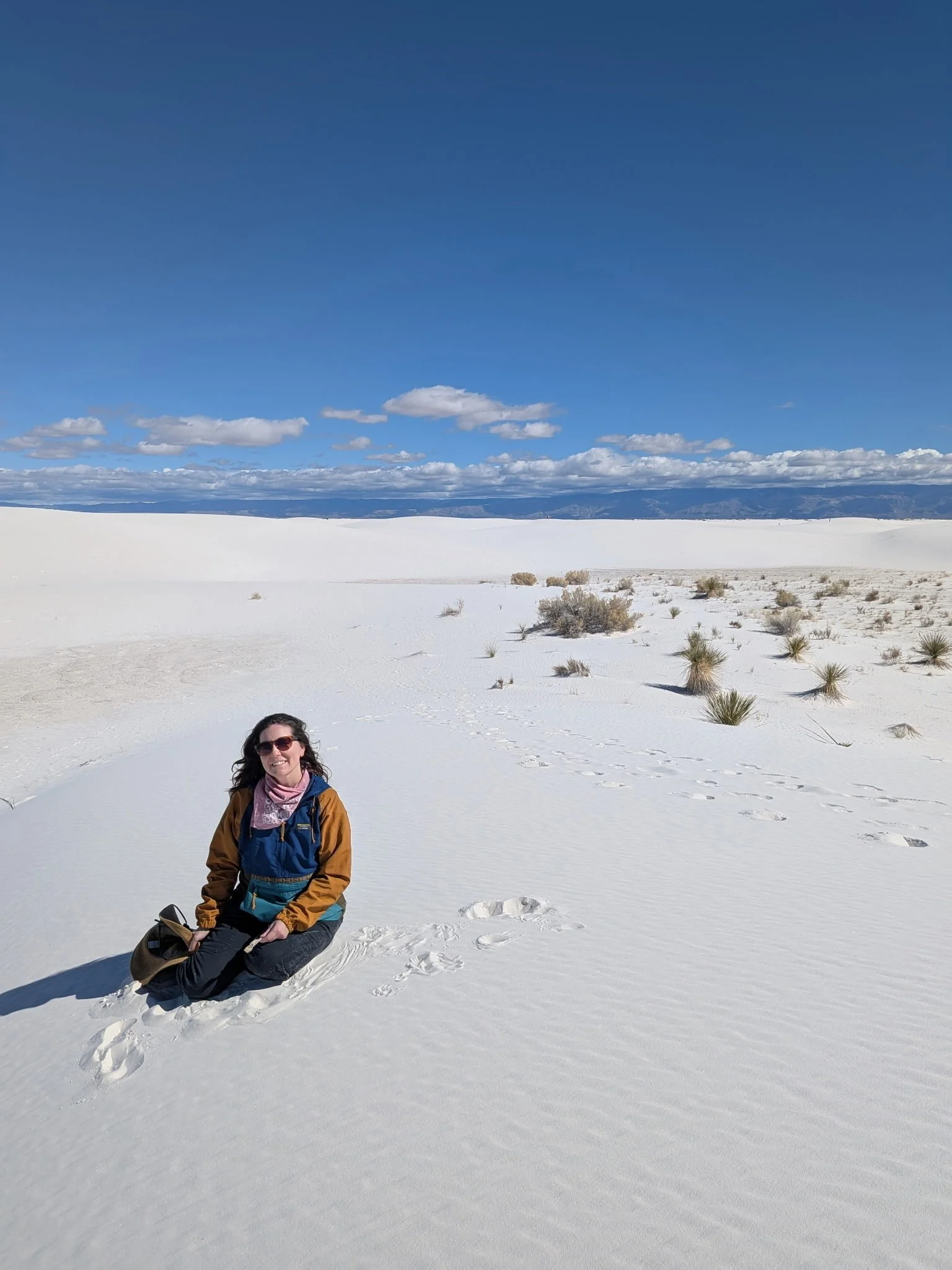
Hello and welcome, I’m Tammi Burnett, the herbalist behind Desert Willow Apothecary. I’m so glad you’re here!
I learned about plants the old-fashioned way: encountering them in the world, growing nearby in backyards and along country roads in rural NJ. I gardened with my mom, ran wild and barefoot through grassy fields and along creek banks, and made potions out of berries and plants with my cousin in our grandparents’ forested yard.
I got into herbalism more intently in my early twenties, mostly out of necessity. I was dealing with a lot of chronic health issues and wanted a more integrative way to care for my body, and that turned into a lifelong love. For years I just dabbled, learning to cook with herbs and making my own concoctions for the fun of it. Most of my learning was individual, through books and field guides, and many trips to the library.
Then in 2018, I came across an ad for a community herbalism class, right up the road from my house. I started studying with Amanda Midkiff of Locust Light Farms, who unlocked so many doors for me. A move to Western MA the next year connected me with a small community of local herbalists, and in 2020 I began a Master's in Science in Clinical Herbalism. I completed 2/3 of the program, but ultimately with life, full time work, moving, chronic illness, family, and the outrageous cost, I made the decision not to finish my degree.
Now I live in the Southwest, and I'm slowly getting to know the plants here, through local friends, visits to native nurseries, time spent outside, and books like Medicinal Plants of the Desert and Canyon West and The Ecology of Herbal Medicine.
I practice herbalism purely for the joy of it: the experiments, the learning, blending remedies for the people I love, sharing my knowledge in community and learning from others, and the simple pleasure of staying connected to the earth.